

Lyla's Life
Raising vital funds to help save lives & improve outcomes for people affected by primary bone cancer.
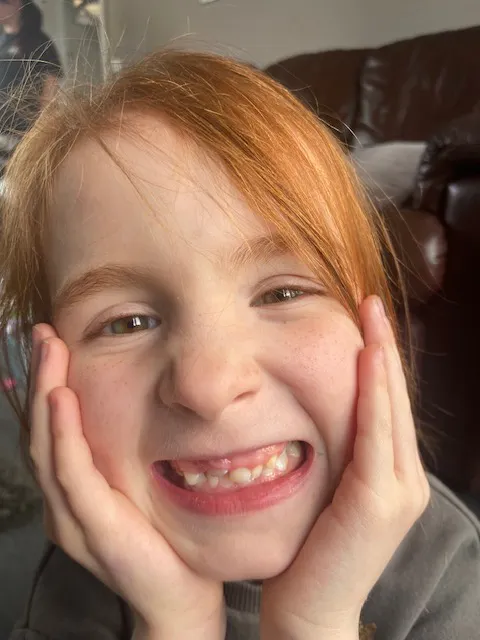
Lyla's Story
Before her diagnosis, Lyla was rarely ill. She loved swimming, dancing and going on adventures.
That all changed on 2 October 2025. At just six years old, we were told she had cancer, later confirmed as Ewing sarcoma, an aggressive bone cancer. Around 30 children in the UK are diagnosed with Ewing sarcoma each year. Sadly, Lyla is now one of them.
Throughout August, she started to develop pain in her hip that became worse at night. We had several GP appointments, blood tests and X-rays, but every test came back normal, and we were left with no answers. Did you know that bone cancers take the longest to diagnose in children and young people? Only around 50% of patients are diagnosed within 12.5 weeks.
By September, Lyla was in agony. She was walking with a limp and relying on painkillers every day. We pushed for an MRI but even then, we never imagined it could be cancer.
The day after her first MRI, I received a phone call asking us to come back for another scan, and they asked if Dad could come too. They told me over the phone that they had found a lump. That was the moment everything changed.
Once we arrived at the hospital, we were told it was likely to be cancer, but that a biopsy would be needed to confirm the diagnosis, which could take weeks. Thankfully, Birmingham Children's Hospital reviewed her scans and had a good idea of what they were dealing with. Lyla was transferred by blue-light ambulance and started on a low dose of chemotherapy while we waited for the biopsy results.
Two days later, she was rushed into emergency surgery. The biopsy had caused the tumour, which was wrapped around her spinal cord and extending into the spinal canal, to swell. It was now compressing the nerves to her legs and bladder, leaving her paralysed. The surgery lasted six hours. Surgeons removed part of the tumour as well as a section of her spine.
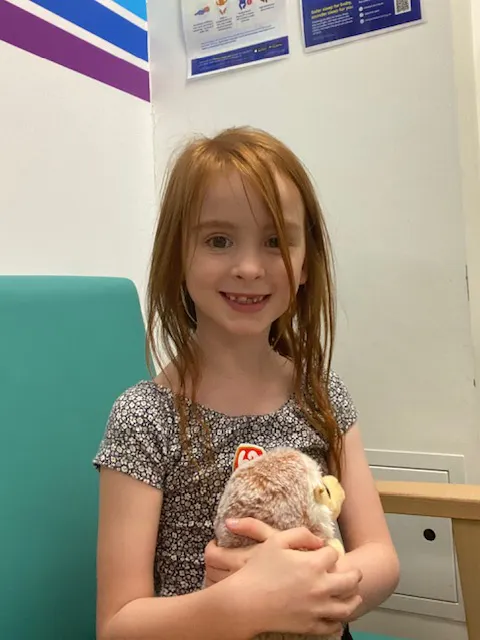
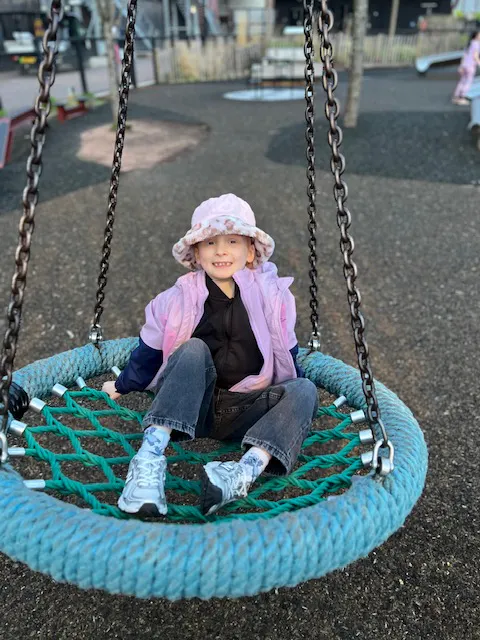
Not only did we all have to come to terms with a cancer diagnosis, but Lyla then spent another two weeks in hospital recovering from major surgery before learning to walk again.
Throughout it all, she remained strong and determined, if not a little stubborn. The hospital wouldn't discharge her until she could walk. At the very last minute, she picked up her walker and took those first few metres.
She went on to receive 14 rounds of five different chemotherapy drugs, given every two weeks, with hospital stays lasting between two and six days at a time.
The chemotherapy drugs used in the Ewing sarcoma treatment protocol have changed very little in the last 30 years. They were developed for adults, yet Ewing sarcoma primarily affects children and young people. One of these drugs is nicknamed "The Red Devil”, which reflects just how toxic it is.
Between treatments, Lyla was repeatedly admitted to hospital with fevers and infections. Her blood counts never fully recovered, and by the end of treatment she had received 19 blood transfusions and eight platelet transfusions.
In March, she spent six weeks living in Manchester to undergo 30 sessions of proton beam radiotherapy alongside chemotherapy. We tried to treat it like a mini holiday, but the reality was anything but.
Lyla has experienced things that no child, or adult for that matter, should ever have to endure. We know there may be long-term side effects from her treatment, including an increased risk of developing a secondary cancer. Even for patients with localised disease, long-term survival is only around 60%.
Despite everything, we are incredibly grateful for the outstanding care Lyla has received from the NHS. We are immensely proud of how bravely she has faced every challenge and how confidently she has advocated for herself throughout her treatment. Her strength and resilience know no bounds.
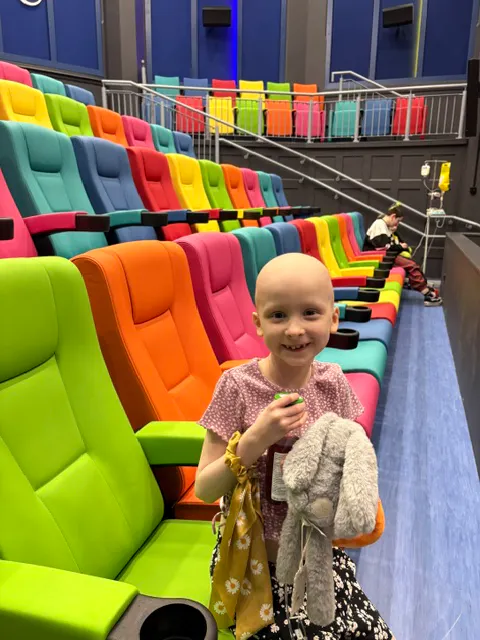
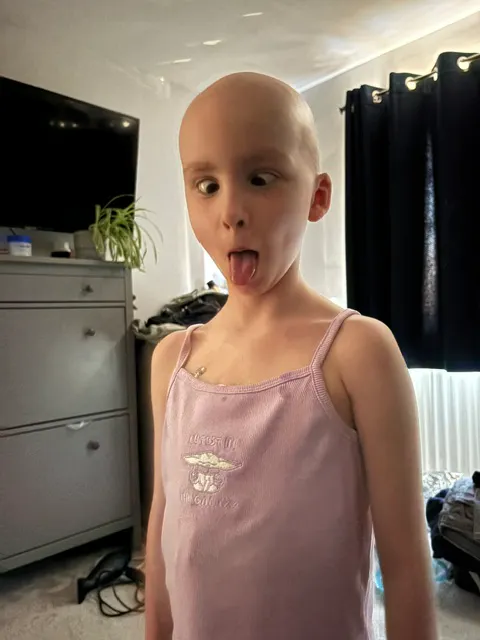
A few weeks ago, we received the best news: her treatment had worked, and there was no evidence of disease.
She will continue to have scans every three months, bringing their own anxieties and uncertainties, but we now have the chance to start living again in our "new normal."
Now we'd like your help to give something back.
We've created this special fund with the Bone Cancer Research Trust to help raise money for kinder treatments, better outcomes and vital research for children with bone cancer. We also want to raise awareness of the symptoms, which are so often dismissed or mistaken for something less serious, leading to delays in diagnosis.
If sharing Lyla's story helps even one child receive an earlier diagnosis or fund research that improves treatment for future families, then something positive can come from everything she has endured.
News

Immunotherapy to target Ewing sarcoma in the lungs

Uncovering clues in blood to predict Ewing sarcoma progression

Targeting hidden weaknesses in Ewing sarcoma
Fundraising Pages
Lyla's Gallery
You can make a donation or pay in funds raised by cheque, payable to Bone Cancer Research Trust, to:
Bone Cancer Research Trust, 10 Feast Field, Horsforth, Leeds, LS18 4TJ.
Please ensure you make it clear that the donation is for Lyla's Life so that your donation is allocated to the correct fund.
100% of donations to Lyla's Life will go towards our life-saving work.